Prebiotic Foods You Already Eat
The everyday foods that feed your gut microbes — garlic, onion, leeks, oats, bananas, apples and legumes — and how they already show up in normal cooking.
Published 2026-10-26
Expert review: pending — this line is filled in only after the review pass is complete.
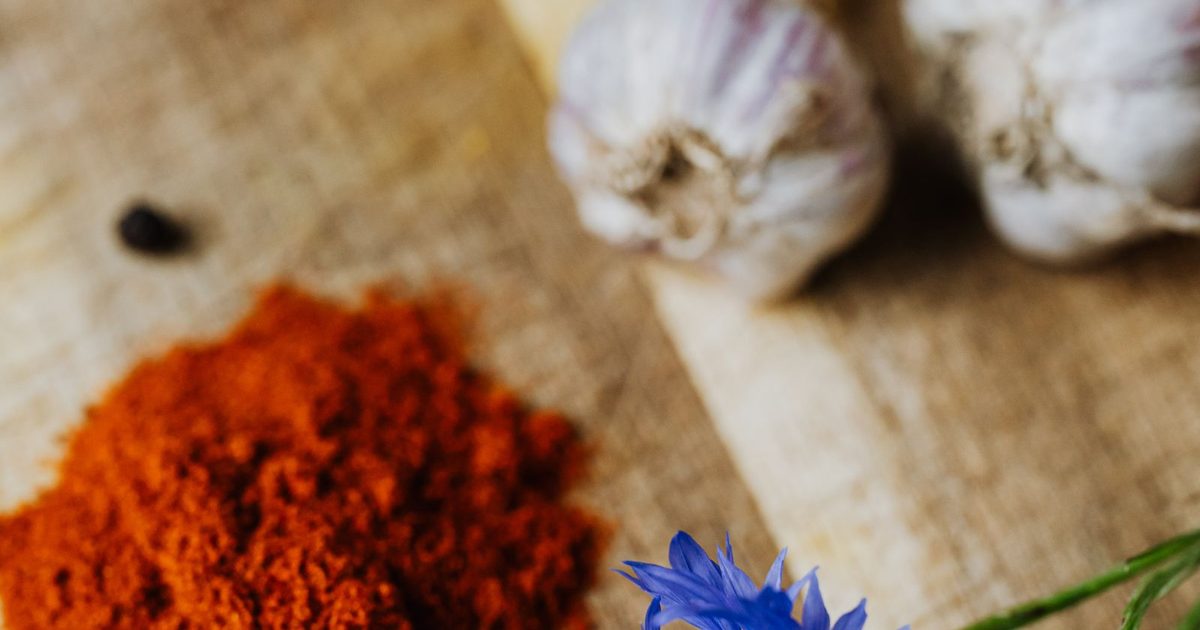
What this guide answers
Here is a small piece of good news that most food guides bury under exotic ingredients: if you cook at all, you almost certainly already eat prebiotic foods. You do not need a powder, a special shop, or a new cuisine. You need to notice what is already in your kitchen.
First, the word itself. “Prebiotic” sounds technical, but the idea is simple. Prebiotics are types of fibre that feed gut bacteria — food for the microbes you already have, in plain language. Gut microbes ferment some dietary fibre into short-chain fatty acids, mainly acetate, propionate and butyrate, and butyrate in particular is a major energy source for the cells lining the colon. So when you eat a food rich in these fibres, you are not just feeding yourself; you are also supplying fuel that your gut microbes can ferment. That is the whole mechanism, and it is worth holding onto, because it stops “prebiotic” sounding like a mysterious ingredient and turns it back into something recognisable: fibre, in foods you know.
That also clears up the most common confusion, which is worth one short section of its own. Probiotics and prebiotics are not two spellings of the same thing. Probiotics are live microorganisms, and in research the word means live microbes with a demonstrated benefit for a specific outcome, usually tied to a named strain. Fermented foods contain live microbes that are mostly uncharacterised, so they are not automatically probiotics. Prebiotics, by contrast, are not alive at all. They are the fibres in ordinary plant foods. One simple way to remember it, used by many dietitians, is seeds versus feed: probiotics are the seeds, prebiotics are the feed. You do not need to buy either as a product to eat a diet that contains both — fermented foods on one side, and the everyday foods in this guide on the other.
The foods below are described in general terms, as foods, not as treatments. No single one of them will transform your gut, and this guide will not claim otherwise. What they share is that they are ordinary, affordable, and already part of normal cooking in most kitchens.
How to start / the plan
The allium base: garlic, onion and leeks
Almost every savoury meal in the world starts the same way: garlic and onion softening in a pan. That base is also, conveniently, where a large share of everyday prebiotic fibres live. Garlic and onions are among the foods named when clinicians are asked for prebiotic food examples — in a Cleveland Clinic clinician Q&A, prebiotics were described as found in foods like bananas, asparagus, artichokes, garlic and onion, with inulin fibre and chicory root fibre named as key words to recognise. Leeks are not named in that Q&A, but they sit in the same allium family and play the same role in cooking, so this guide includes them on that basis. Inulin is one of the soluble fibres listed in fibre reviews, alongside beta-glucan and pectin, and it is the fibre most associated with the allium family.
You do not need to eat garlic raw or in heroic amounts to count it. It counts in the cooking you already do: a clove or two crushed into a stew, sliced onion in a curry, leeks softened into a soup. Leeks deserve a special mention because people often overlook them in favour of onions, but they play exactly the same role — a mild, sweet base for soups, stews and pasta sauces — and they sit in the same family. If your cooking already starts with onion and garlic most days, you are already eating prebiotic foods most days. The only change this guide suggests is noticing that, and perhaps being a little more generous with the leeks when they are in season and cheap.
Breakfast foods: oats and bananas
Oats are the other everyday anchor. Soluble fibre in oats includes beta-glucan, and oats appear in fibre guidance as a classic soluble-fibre food. Porridge is the obvious vehicle, but oats also show up in muesli, in overnight oats, and baked into flapjacks and crumbles. The form matters less than the habit: oats at breakfast a few times a week is a simple, repeatable way to include these fibres without thinking about it.
Bananas are listed among prebiotic examples in the Cleveland Clinic clinician Q&A, whose accompanying list specifically notes slightly green (unripe) bananas for their resistant starch. A banana sliced onto porridge therefore does double duty in this guide: it is both a breakfast food and a prebiotic food, with no extra effort at all.
Apples, legumes and the rest of the plate
Apples with their skins on bring pectin, another soluble fibre, and they are the easiest prebiotic-adjacent snack in existence: no cooking, no preparation, just an apple. Keep the skin on — as with potatoes, much of the fibre sits in or just under the skin, and peeling removes it.
Legumes — beans, lentils and chickpeas — round out the list, and they overlap with the fibre guide for good reason: they are rich in a mix of fibres, including the soluble types that gut microbes ferment. A spoonful of lentils in soup, chickpeas in a salad, or beans in a rice dish all add these fibres to a meal you were cooking anyway. As with the fibre guide, the gradual rule applies: add a small amount at first and build up over weeks, because a sudden large amount of beans can cause wind and bloating. That is not a reason to avoid them; it is a reason to add them the way you would add any new regular ingredient — a little, often, until it feels normal.
Asparagus and artichokes are also named in the clinician Q&A as prebiotic foods, and they are worth trying if you enjoy them, but this guide deliberately does not build its case on foods you have to hunt down. The argument here is the opposite: the strongest prebiotic list is the one you will actually eat, and garlic, onion, leeks, oats, bananas, apples and legumes are already in most kitchens for other reasons entirely.
A day of food you already eat
It helps to see this as a day rather than a list. Breakfast: porridge oats with a slightly green (unripe) banana sliced on top. Lunch: a sandwich or salad with onion in the dressing or filling, and an apple afterwards. Dinner: a stew or curry that starts with garlic, onion and leeks, with lentils or chickpeas stirred in. Nothing in that day was bought for its prebiotic content, nothing required a recipe, and yet every meal contained fibres that gut microbes ferment. That is the point of the title: you already eat these foods. The guide is just giving you a reason to notice them — and, if you like, to cook with them a little more often.
Common questions
Are prebiotic foods the same as high-fibre foods?
Not exactly, though they overlap a lot. All prebiotic fibres are fibres, but not all fibres are described as prebiotic — the word is used for specific types, such as inulin and certain other soluble fibres, that are fermented by gut microbes. In practice, for an everyday cook, the distinction matters less than the pattern: a diet rich in varied plant foods, especially the ones in this guide, will naturally include prebiotic fibres. You do not need to sort your shopping into “prebiotic” and “merely high-fibre” piles.
Do I need a prebiotic powder or supplement?
No — and this guide does not recommend one. The foods above supply these fibres in their normal food form, alongside everything else in the food. Powders and supplements raise questions about dose and product quality that a general food guide cannot answer, and “should I take this” is a question for a healthcare professional, not a blog article. If a product label trumpets “inulin fibre” or “chicory root fibre”, those are indeed words associated with prebiotic fibres, as the Cleveland Clinic Q&A notes — but recognising a word on a label is not the same as needing the product.
Does cooking destroy prebiotic fibre?
Cooking changes texture and flavour, but the fibres discussed here are not live microbes, so they are not killed by heat the way live cultures are. Garlic softened in a stew, leeks in a soup, oats cooked as porridge — all still contain their fibres after cooking. That is one of the practical advantages of prebiotic foods over live-culture foods: they are forgiving. You can cook them however you like and they still count as the foods they are.
Will these foods make me bloated?
They can, at first, if you add a lot at once — and that is true of fibre generally, not just prebiotic fibres. Fermentation by gut microbes produces gas as well as short-chain fatty acids, so a sudden jump in garlic, onion, beans or lentils can be noticeable. The answer is the same as in the fibre guide: start small, spread these foods across the day, drink fluids, and build up gradually. If a particular food repeatedly causes you trouble, leave it out and get your fibre from the others. There are enough foods on this list that no single one is indispensable.
What is the difference between this and the fermented foods guide?
Fermented foods are about live microbes in foods like yoghurt, kefir and refrigerated sauerkraut. Prebiotic foods are about the fibres that feed microbes, in foods like garlic, oats and beans. The two ideas complement each other in an ordinary diet — a bowl of porridge with a banana, followed later by a pot of yoghurt, contains both — but neither requires the other, and neither is a treatment for anything. Think of them as two different shelves in the same kitchen, not two halves of a prescription.
When to talk to a healthcare professional
Talk to a healthcare professional or registered dietitian if you have ongoing gut symptoms, a diagnosed gut condition, take regular medication, or are unsure whether increasing fibre or specific foods is suitable for you. This matters particularly if you have IBS or another gut condition: for some people with IBS, more fibre is not always better, and UK NICE guidance discourages insoluble fibre such as bran while noting that soluble fibre such as oats may be better tolerated — but individual advice should come from your own clinician or dietitian, not from a general guide. Seek medical care promptly if you experience severe, persistent or worrying symptoms, including blood in your stool, unintentional weight loss, severe abdominal pain, or symptoms that keep coming back. Do not stop or change prescribed medicine because of anything you read here.
You do not need to revolutionise your cooking to eat prebiotic foods. You probably just need to look at tonight’s dinner — garlic, onion, maybe leeks, perhaps beans — and recognise that the ordinary base of your cooking was already doing this job all along.
Sources
- PMC review — Gut microbiota, short-chain fatty acids, and 'biotics' in exercise — accessed 2026-10-26
- PMC review — Butyrate: a double-edged sword for health? — accessed 2026-10-26
- Cleveland Magazine — What's The Difference Between Prebiotics and Probiotics? (Cleveland Clinic clinician Q&A) — accessed 2026-10-26
- NHS Tayside — Fibre guidance — accessed 2026-10-26