Fermented Foods for Beginners
A plain, shopping-first guide to fermented foods: what counts, what to buy first, how to spot live cultures on a label, and how to start slowly.
Published 2026-10-26
Expert review: pending — this line is filled in only after the review pass is complete.
What this guide answers
If you have wandered down a supermarket aisle and stared at the yoghurt pots, the kefir bottles and the jars of sauerkraut wondering where on earth to begin, this guide is for you. Fermented foods sound complicated, and the internet does not help: one page overpromises, the next warns you off them entirely, and most of them assume you already know the difference between a ferment and a pickle.
Here is the short version. Fermentation is an old way of preserving food. Microbes — bacteria, yeasts or moulds — break down sugars and starches in a food, and in doing so they change its flavour, its texture and how long it keeps. That is all it is. It is not a modern invention, and it is not a single product. It is a whole family of foods that humans have been making for centuries, from yoghurt to kimchi to miso.
The beginner-friendly starting point is smaller than most guides suggest. You do not need a fridge full of jars, and you do not need to make anything yourself. A pot of plain yoghurt with live cultures, or a bottle of kefir, plus a forkful of refrigerated sauerkraut now and then, is a perfectly sensible place to start. The rest of this guide explains how to tell a live-culture food from a lookalike, how to pace yourself, and what the research actually says — including its limits — so you can make up your own mind.
One distinction matters more than any other, and it will save you money: not every fermented food still contains live microbes by the time you eat it, and not every jar that looks fermented actually is. Sourdough bread, for example, was fermented, but baking kills the cultures, so it is best enjoyed simply as bread. Most shelf-stable pickles, meanwhile, were never fermented at all — they were pickled in vinegar. And shelf-stable or canned sauerkraut has usually been heated, which kills live microbes too. If live cultures are what you are after, the refrigerated section is where to look, and the label is your best friend.
How to start / the plan
Week one: pick one familiar food
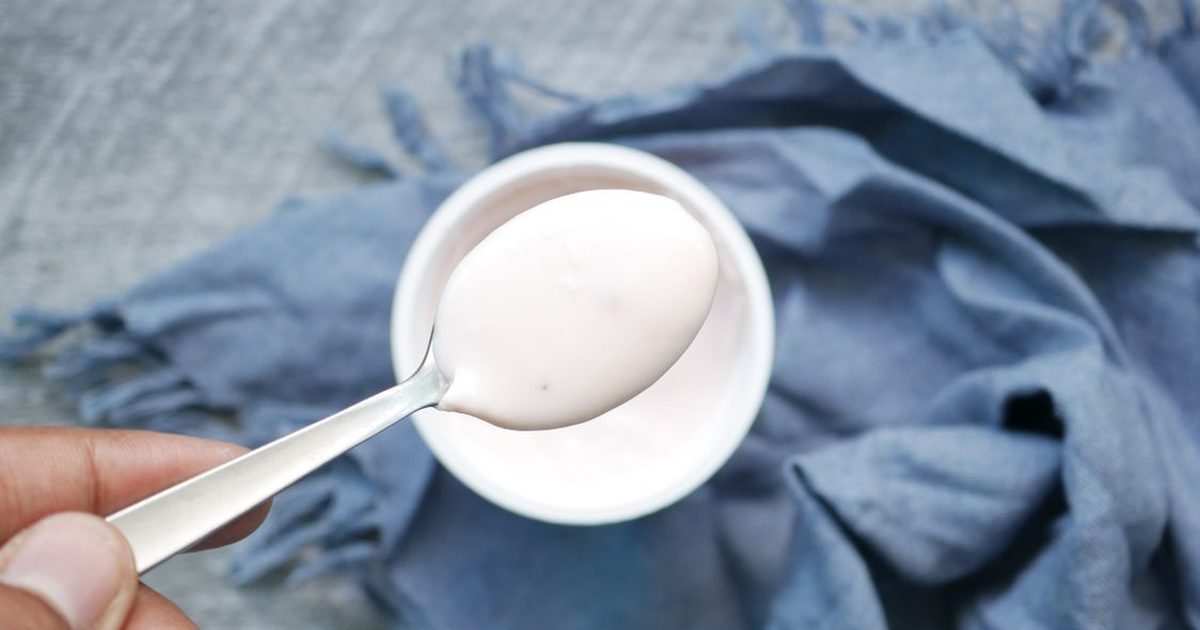
Start with the food that feels least strange to you. For most people that is plain yoghurt. Look for the words “live and active cultures” on the pot, and buy plain rather than heavily sweetened varieties if you can — not because sweetness is a moral failing, but because you want to taste the food itself and keep things simple while you learn what you like. Eat it the way you would normally eat yoghurt: with breakfast, with fruit, or on its own. There is nothing special you have to do with it.
If yoghurt is not your thing, kefir is the other gentle starting point. It is a fermented milk drink, thinner than yoghurt and tangier, and it pours rather than spoons. Some people drink it straight from a small glass; others pour it over cereal or blend it into a smoothie. Either way is fine. It is food, not a ritual.
Week two: add a forkful of something tangy
Once yoghurt or kefir feels ordinary, try a small amount of a fermented vegetable. Refrigerated sauerkraut is the classic beginner choice: a forkful alongside a meal you already enjoy, such as a sandwich, a plate of rice and vegetables, or a simple lunch. Kimchi is the spicier cousin — same idea, bolder flavour, and worth trying only if you like a bit of heat. The point of starting with a forkful is not a rule handed down from anywhere; it is just common sense. These foods are salty and sharp, and a little goes a long way in flavour terms.
A few practical habits make the whole thing easier. Keep live-culture foods refrigerated, as the label directs, and use them within the date on the pack. Do not heat them if you want the cultures to stay live: stirring miso into soup after it has finished cooking, rather than boiling it, is the usual example, and the same logic applies to yoghurt stirred into a hot dish. Heating does not make the food unsafe to eat — it just means the live microbes will not survive, so you are eating it for flavour and nutrition rather than for its cultures.
Reading a label in ten seconds
Stand in front of the shelf and check four things. First, is it in the refrigerated case? Live-culture foods almost always are. Second, does the label say “live and active cultures”, “naturally fermented” or “raw”? Third, is vinegar listed as the first ingredient? If it is, you are probably holding a vinegar pickle, not a ferment. Fourth, does it say pasteurised? Pasteurisation heats a food and kills live microbes. None of this is a test you can fail — it is simply how you avoid paying fermented-food prices for a jar of vinegar pickles.
What the research says, honestly
It is worth knowing why fermented foods get talked about at all, and equally worth knowing how far the evidence goes. In a 2021 trial from Stanford School of Medicine, published in Cell, 36 healthy adults were randomly assigned for 10 weeks to either increase fermented foods or increase high-fibre foods. The fermented-food group ate foods including yoghurt, kefir, fermented cottage cheese, kimchi and other fermented vegetables, vegetable brine drinks and kombucha tea. In that group, overall gut microbial diversity increased, four types of immune cells showed less activation, and levels of 19 inflammatory proteins measured in blood decreased, including interleukin-6 (IL-6), a protein linked in the literature to rheumatoid arthritis, type 2 diabetes and chronic stress.
Those results are genuinely interesting, and they are also narrow. The trial was small — 36 healthy adults only, not people with a diagnosed gut condition, not children, and not older adults specifically. It lasted 10 weeks, so long-term effects were not tested. Diversity and blood inflammatory markers are laboratory measures, not proof that any disease was prevented or treated. It was one trial, and it does not prove that any single fermented food, brand or product reproduces the result. The amounts eaten in the trial were also high — reports describe around six servings a day at the higher end — and that is a description of what the trial did, not a recommendation for readers. Nobody needs to copy a trial diet to enjoy a pot of yoghurt.
There is one more wording trap to avoid. “Fermented” and “probiotic” are not the same word. In research, “probiotic” means live microorganisms with a demonstrated benefit for a specific outcome, usually tied to a named strain. Fermented foods contain live microbes that are mostly uncharacterised — they are not automatically probiotics just because they were fermented. If a label or an advert promises you a probiotic benefit without naming a strain and an outcome, treat that as marketing, not science.
Common questions
Will fermented foods make me bloated?
Some people notice temporary gas or bloating when they first add fermented foods, and that is one of the reasons for starting small. A sudden large amount of any new food can be a lot for your gut to get used to at once. If a forkful feels fine, you can build up gradually over the following weeks; if it does not, stepping back to a smaller amount for a while is more sensible than pushing through or giving up entirely. Persistent or worrying symptoms are a different matter — see the last section.
Are fermented foods very salty?
Some of them are. Kimchi, sauerkraut, miso and soy sauce can all be high in salt, which is worth knowing if you are watching your salt intake for other reasons. This is another reason a small amount as part of a meal, rather than a large portion on its own, tends to work well. It keeps the flavour without letting one salty food dominate the day.
Can I cook with them?
Yes, for flavour — but remember that heating kills live cultures. A spoonful of yoghurt stirred into a curry at the end of cooking will still taste good; it just will not carry live cultures any more. Miso works the same way. If you are cooking with a fermented food, enjoy it as an ingredient and count your live-culture foods separately, from the ones you eat unheated.
What about kombucha?
Kombucha is a fermented tea drink and appears on the list of foods that commonly contain live cultures when unheated. It is also variable: sweetness, acidity and flavour differ a lot between brands, so reading the label and tasting a small amount first is the sensible approach, as with any new food. As with everything in this guide, no brand is recommended here.
Do I need a supplement as well?
This guide is about foods, and it does not recommend supplements. The US National Center for Complementary and Integrative Health notes that probiotic effects are strain-specific — a result for one named strain, dose and outcome cannot be transferred to a different strain, blend or shop product — and that in healthy people probiotics usually have only minor side effects, if any, though serious complications such as infections have occasionally been reported in people with underlying health problems. Its standing advice is not to use probiotics as a reason to postpone seeing a healthcare provider about a health problem, and for anyone considering a probiotic supplement, especially with a health condition, to talk to a healthcare provider first. That advice applies doubly to this blog: food guides are not a substitute for professional advice.
When to talk to a healthcare professional
Talk to a healthcare professional if you have ongoing gut symptoms, a diagnosed gut condition, take regular medication, or are unsure whether a live-culture food is suitable for you. People with a weakened immune system should talk to a healthcare professional before deliberately adding live-culture foods — this is general caution from health publishers, not a ban, and it is exactly the kind of question a clinician can answer for your own situation. Seek medical care promptly if you experience severe, persistent or worrying symptoms, including blood in your stool, unintentional weight loss, severe abdominal pain, or symptoms that keep coming back. And never stop or change prescribed medicine because of anything you read here.
If you take one thing from this guide, let it be this: start with one familiar food, check the label for live cultures, keep portions small at first, and let your own taste — not a trend — decide what stays in your fridge.
Sources
- Harvard Health — Fermented foods for better gut health — accessed 2026-10-26
- Harvard Health — Do fermented foods live up to the hype? — accessed 2026-10-26
- Stanford School of Medicine trial coverage — Fermented foods boost gut microbiome diversity and reduce inflammation (Wastyk et al., Cell 2021) — accessed 2026-10-26
- A Healthier Michigan / Stanford Medicine — How Fermented Foods Can Support Your Gut Health — accessed 2026-10-26
- US National Center for Complementary and Integrative Health (NCCIH) — Probiotics: Usefulness and Safety — accessed 2026-10-26